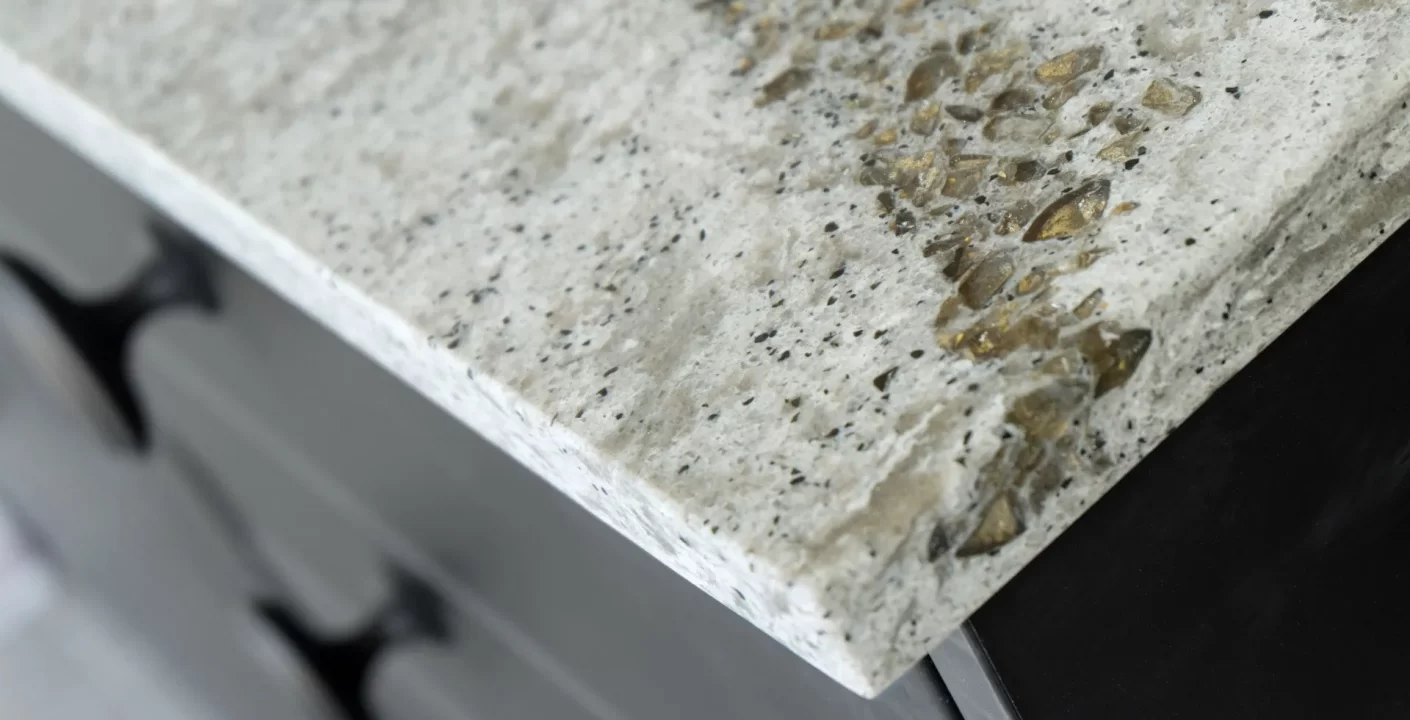
Kitchens are more than just a room to cook in. They are aromatic spaces where the family comes together from the morning’s first cup of coffee to the evening’s dinner preparations. It’s no wonder the kitchen is often cited as one of the best rooms to remodel to maximize return on investment. According to a survey done last year by Caeser Stone, 95% of homeowners looking to renovate their kitchens wanted new countertops the most. Popular kitchen countertop materials include granite, quartz, marble, laminate, concrete, and butcher block countertops. In this article, we’ll focus on quartz and quartzite, what they are, and their differences.
What's the Difference Between Quartz and Quartzite?
Looks
Durability
Quartzite is slightly harder and more scratch-resistant than quartz. It measures 7 or 8 on the Mohs Hardness Scale compared to quartz’s 7. But they are both harder than granite, which has a 6.5, so quartz and quartzite are both quite durable. Despite this, it is advisable to use a chopping board on both surfaces, as they can be scratched by sharp objects.
One benefit of quartz is its ability to resist chipping and denting better due to its flexibility. It is also non-porous and more resistant to staining. However, it is prone to melting at temperatures higher than 300 degrees Fahrenheit because of the plastic resin used to bind it. Therefore, a hot pan could leave a permanent scorch mark on your quartz countertop.